

Welcome to the Rural Ontario Medical Program
While qualified physicians are needed all across the world, the nation-wide physician distribution issue is especially marked in rural areas of Ontario.
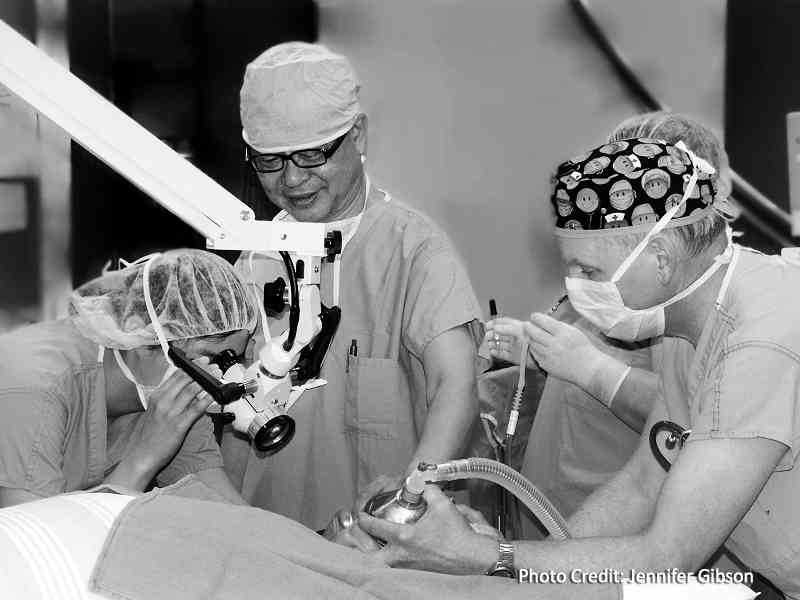
Through the Rural Ontario Medical Program (ROMP), we are striving to alleviate this issue by arranging core and elective rotations for medical students and residents, as well as for other health care professionals.
Part of the program also involves preceptors, who are there to be role models for learners and help them develop skills that will be critical to their future success.
ROMP has been helping medical students and residents in Ontario arrange core and elective medical rotations since 1988.
There is a need for physicians in every area of the world, particularly in rural locations. With the Rural Ontario Medical Program (ROMP), we are here to ease the burdens caused by the nation-wide physician distribution problem by arranging core and elective medical rotations for medical students in Ontario.
If you are interested in applying to ROMP as either a learner or a preceptor, please contact us.
Learning Opportunities
The Rural Ontario Medical Program (ROMP) coordinates medical rotations for future physicians from the eight medical universities in Ontario. Located in South-Central Ontario, our mission is to alleviate the burden on communities caused by the nation-wide physician distribution problem and create learning opportunities outside the academic centres and into communities.
We are here to create learning opportunities for the physicians of tomorrow by creating teaching opportunities for medical professionals in rural communities. If you become a ROMP preceptor, you will:

Expose students to rural medicine

Influence medical students’ future career paths

Act as a force of positive change in your office or hospital

Help medical students develop critical skills
Our teaching opportunities also require you to act as a role model for medical students and give direct and immediate feedback to learners throughout the duration of their rotation.
Contact Us Today!
If you have any questions about Rural Ontario Medical Program, please don’t hesitate to contact us.